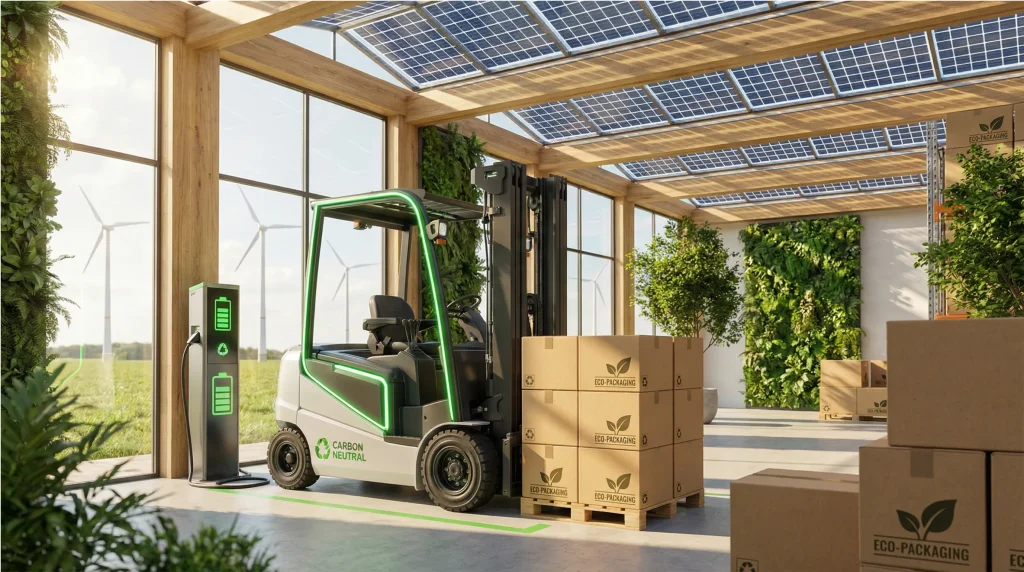
Sustainable forklift solutions combine equipment choice, energy use, charging infrastructure, maintenance, and end-of-life planning. Electric forklifts can support lower local emissions in suitable operations, but the environmental result depends on electricity supply, battery lifecycle, duty cycle, and the way the equipment is used.
The Role of Electric Forklifts in Green Logistics
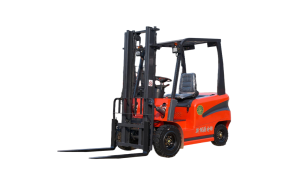
Electric forklifts have become a practical option for many warehouses and distribution centers. They produce no exhaust emissions at the point of use, which can improve air quality inside facilities and reduce noise compared with internal-combustion models. Operating costs depend on local electricity prices, duty cycle, and fleet management, so the business case should be evaluated against each specific application rather than assumed.
- No exhaust emissions at the point of use
- Lower noise levels in indoor operations
- Fewer moving parts in the drive system, which can reduce maintenance needs
- Energy use that can be paired with renewable electricity over time
Charging Infrastructure and Energy Management
Charging infrastructure is the backbone of any sustainable forklift operation. A well-planned layout matches charger capacity to shift patterns, avoids peak demand charges, and keeps trucks available when operators need them. Energy management practices such as scheduled charging during off-peak hours, opportunity charging for compatible batteries, and pairing chargers with on-site renewable generation can reduce both cost and grid impact. For background on electric-drive technology and charging options, the U.S. Department of Energy’s Alternative Fuels Data Center offers an authoritative overview of electric vehicles.
Battery Lifecycle and End-of-Life Planning
Battery lifecycle management matters as much as the forklift itself. Lead-acid batteries require routine watering, equalization, and rotation, while lithium-ion batteries typically support opportunity charging and longer service life in suitable duty cycles. Both chemistries eventually reach end of life, so buyers should plan for responsible recycling and disposal from the start. The European Commission’s work on batteries and the circular economy explains how battery sustainability is being addressed at the policy level.
Environmental Impact and Operational Planning
Measuring impact is the first step in reducing it. A logistics team can track fuel or electricity consumption per pallet moved, monitor charging behavior, and review maintenance records to see where energy use and emissions actually occur. The environmental result of a sustainable forklift fleet depends on the electricity mix, battery lifecycle choices, and the way equipment is operated, not only on which truck is purchased.
Operational Example: Measuring Emissions in Forklift Logistics
Consider a distribution center that wants to compare the impact of electric and diesel forklifts in its own operation. The team would start by recording current fuel and electricity consumption, then estimate emissions for each option using published emission factors for grid electricity and diesel fuel. After a trial period, they can review utilization, charging patterns, and maintenance data to judge whether electric equipment fits their duty cycle. This measurement-based review keeps the decision grounded in real operating data rather than assumptions.
Choosing a Sustainable Forklift
Selecting equipment is only one part of a sustainable forklift strategy. Buyers should compare energy sources, duty cycles, and total cost of ownership before deciding. Our guide on choosing between diesel, natural gas, and electric forklifts explains how these options compare, and our review of diesel forklift sustainability and environmental impact shows why context matters when comparing powertrains. For help planning your fleet, contact our team.
Forklift Sustainability FAQ
What makes a forklift more sustainable?
A forklift becomes more sustainable when its whole operation is considered: the energy source it uses, how and when it is charged or refueled, how the battery is maintained and eventually recycled, and how the truck is deployed across shifts. Equipment choice matters, but energy management and operational planning often determine the real environmental result.
Are electric forklifts always the most sustainable option?
Not always. Electric forklifts avoid exhaust emissions at the point of use, but the overall impact depends on the local electricity mix, the battery lifecycle, the duty cycle, and how the equipment is used. In some operations, a well-managed internal-combustion truck with efficient fueling can be a better fit than an electric truck that is poorly charged or unsuited to the application. Each fleet should be evaluated on its own data.
What charging infrastructure should a buyer plan?
Buyers should plan for charger capacity that matches shift patterns and battery chemistry, a power supply that can handle peak charging loads, and space for charging stations that keeps trucks available when needed. Scheduling software, off-peak charging, and on-site renewable generation can further reduce cost and grid impact.
How should battery lifecycle and end-of-life be considered?
Battery choice should match the duty cycle: lead-acid batteries need routine watering and rotation, while lithium-ion batteries generally support faster opportunity charging. At end of life, batteries should be recycled or disposed of through programs that comply with local regulations, so materials can be recovered responsibly.
How can a logistics team measure forklift environmental impact?
A team can track fuel and electricity consumption, record charging behavior, monitor utilization and maintenance, and apply published emission factors for grid electricity and diesel. Comparing these figures across the fleet over time shows where emissions and energy use actually occur and where improvements are possible.
Our Commitment
LT FORKLIFT is committed to supporting lower-impact material handling. We build electric forklifts suited to real-world duty cycles, help customers plan charging infrastructure and energy management, and work with them to compare powertrains honestly. The right sustainable forklift solution is the one that fits your operation, and we are ready to help you find it.