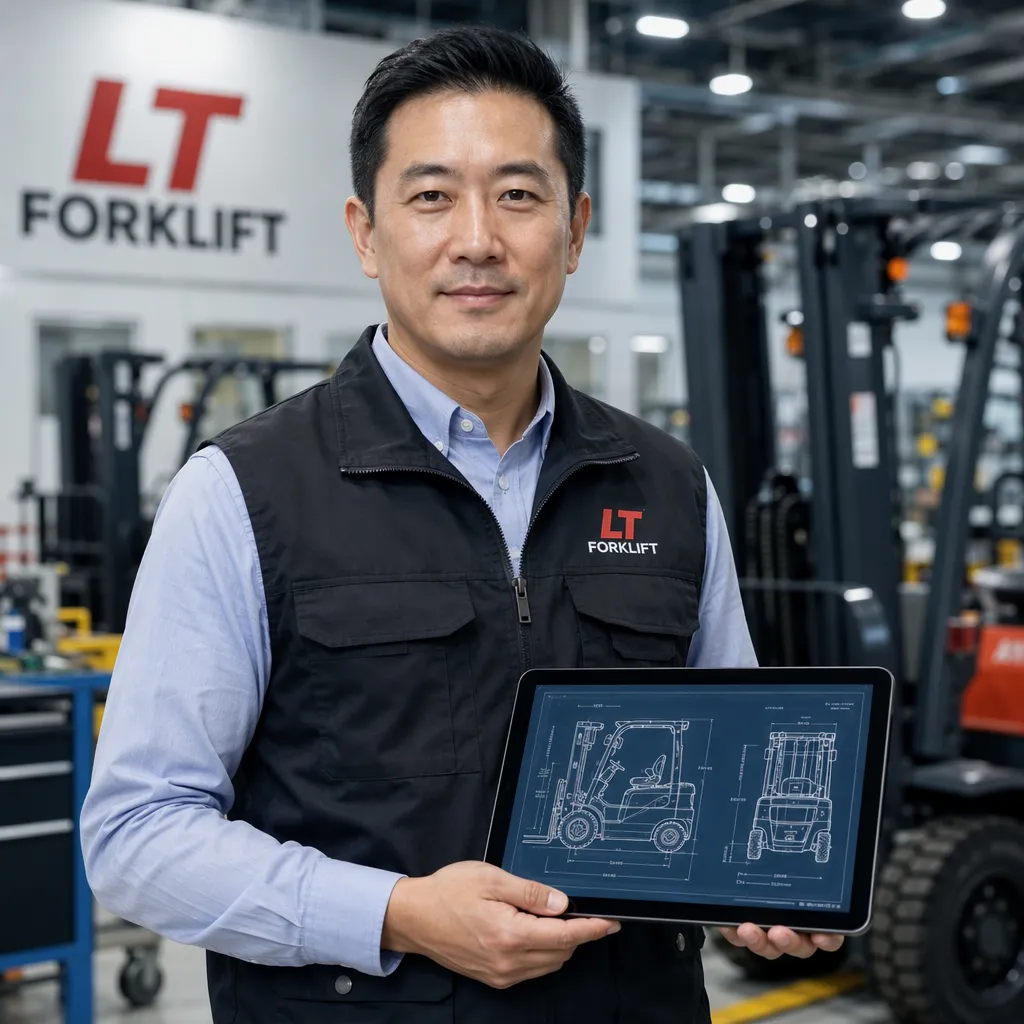
By David Liu, Product Solutions & Applications Specialist at LT FORKLIFT
Forklift solutions for construction and mining must be matched to ground conditions, load requirements, lift height, duty cycle, access, and service support. Rough-terrain forklifts may fit uneven outdoor sites, while balanced and warehouse forklifts are better suited to controlled surfaces and indoor workflows.
This guide covers the main equipment categories for construction and mining work, the information a supplier needs to configure the right machine, and the support that keeps an operation running. Selection should always start with the application, not with a price list.
1. Navigating Construction Site Logistics
Construction site logistics change as the project develops. A machine that moves concrete blocks, steel, and palletized materials on compacted ground may face mud, gravel, slopes, or changing access routes within the same week. Standard warehouse trucks often struggle in these conditions, which is why a guide to rough-terrain forklift types and classes is the usual starting point for outdoor construction work.
Ground Conditions and Access
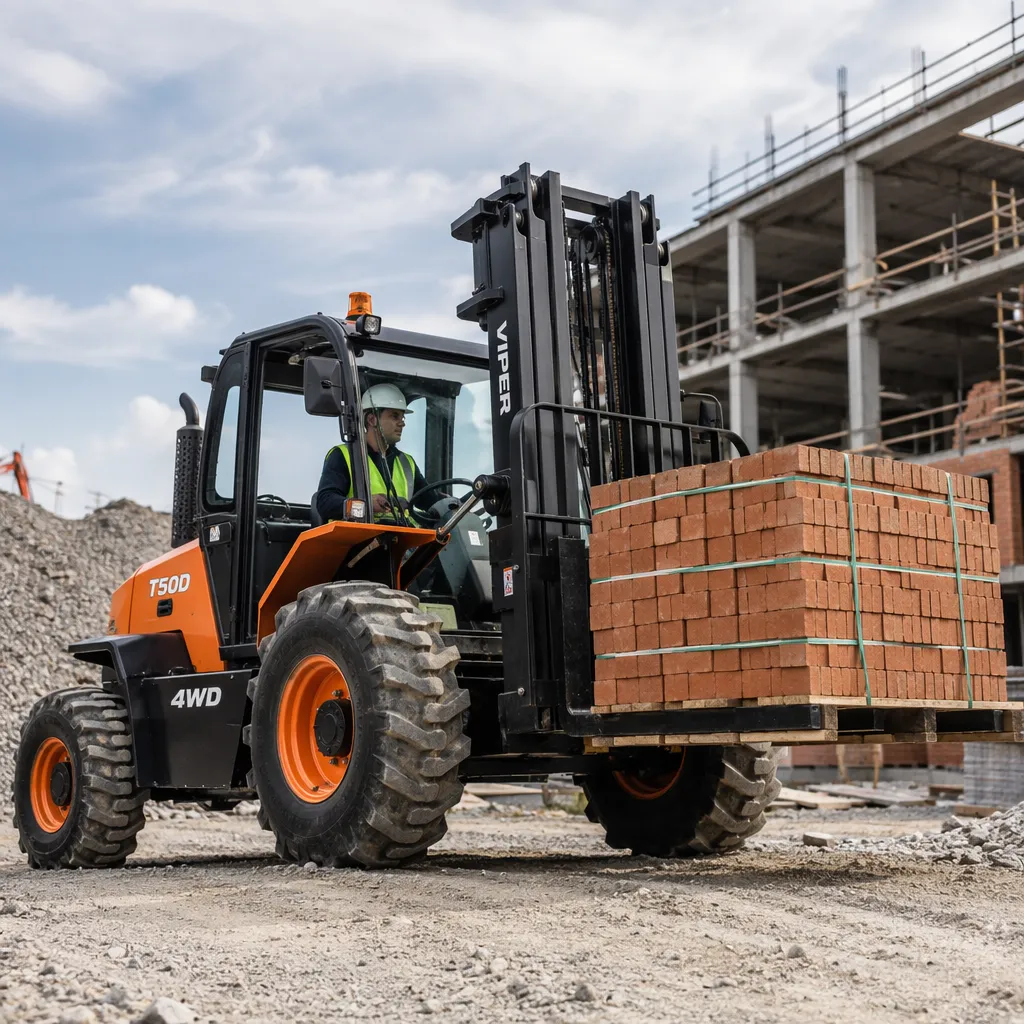
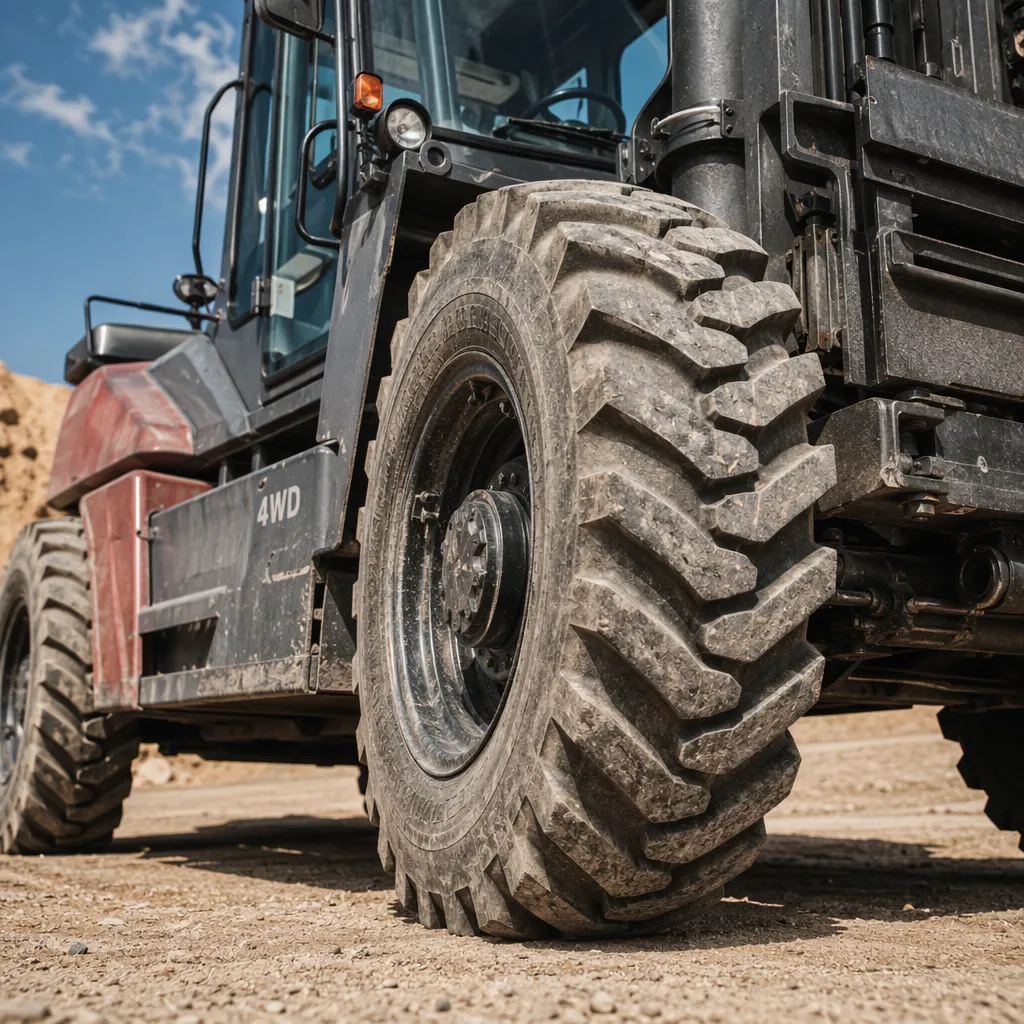
Map the route the forklift must travel, not just the load point. Note the surface type, grades, turning space, and any indoor–outdoor transitions. LT FORKLIFT’s T-Series rough terrain line (Rough Terrain Forklifts) is built around outdoor operation, with 4WD and high clearance for uneven ground. Engine platforms from partners such as DEUTZ can then be matched to local emission and fuel requirements.
2. Industrial Forklift Types: Finding the Perfect Match
Understanding different industrial forklift types is the first step toward effective warehouse material handling, and the right forklift solutions depend on the operating environment. The main categories are:
- Rough Terrain (T-Series): Best for outdoor, rugged construction and mining work on uneven ground.
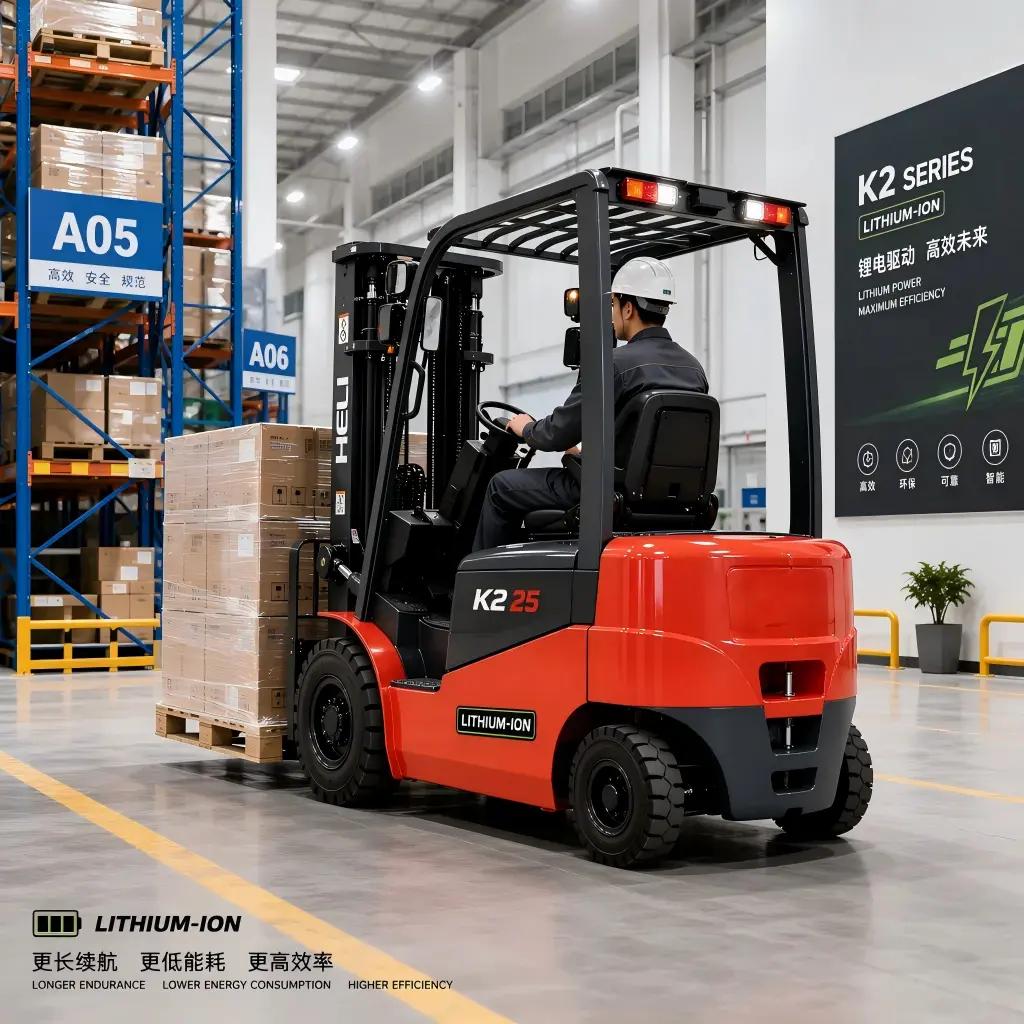
- Counterbalance (K2-Series): A counterbalance forklift for mixed indoor and outdoor logistics on paved surfaces.
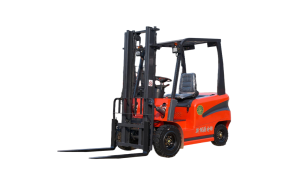
- Warehouse Series: Optimized for narrow aisles, racking, and pallet workflows on smooth floors.
Load Charts and Duty Cycle
Every machine has a rated capacity tied to a specific load center and configuration. A load chart shows the safe capacity at different lift heights and with different attachments, so it is the first document to review before comparing models. Duty cycle—hours per shift, number of lifts, travel distance, and share of work at full capacity—determines whether a truck is sized correctly for the workload. Industry guidance from the Material Handling Institute (MHI) can help align equipment choices with operating best practices.
3. The Power of a Customized Forklift Manufacturer
Why settle for an off-the-shelf configuration when your operation is unique? As a customized forklift manufacturer, LT FORKLIFT engineers machines around the application: specialized attachments, cabin options, and configurations matched to site conditions.
Information to Prepare for a Customized Forklift Quotation
A customized forklift built around your data will outperform a generic model. Provide the heaviest load and its load center, required lift height, ground conditions and access, duty cycle, and service expectations. This allows the manufacturer to configure capacity, mast, tires, and attachments—and to confirm that the result meets applicable safety regulations, such as those enforced by OSHA.
Frequently Asked Questions
How do I choose forklift solutions for a construction site?
Match forklift solutions to your ground conditions, load requirements, lift height, duty cycle, and access. Map the travel route—including surface type, grades, and turning space—then review the load chart and confirm service support before specifying a model.
What forklift solution is suitable for mining applications?
Mining applications usually place higher demands on load capacity, ground conditions, lift height, and duty cycle. A rough-terrain model with a robust chassis is a common starting point, but the correct solution depends on a load chart review and an application assessment rather than a model name alone.
When should I choose a rough-terrain forklift instead of a warehouse forklift?
Choose a rough-terrain forklift when work takes place on uneven, unpaved, or changing outdoor ground. A warehouse forklift is better for smooth floors, narrow aisles, and controlled indoor workflows. If the truck must regularly transition between paved and unpaved surfaces, compare the configurations against ground conditions, access, and duty cycle.
What information should I provide for a customized forklift quotation?
Provide the heaviest load and its load center, required lift height, ground conditions and access, duty cycle, and service expectations. This lets the manufacturer configure the mast, tires, attachments, and capacity around your operation.
Why do load charts and service support matter in forklift selection?
A load chart defines the safe capacity at different lift heights and configurations, so it prevents overloading and guides the right specification. Service support determines parts availability, maintenance intervals, and response times—all of which affect how reliably the forklift keeps working at your site.
Final Thoughts
Choosing a forklift is a strategic decision. Start with ground conditions, load requirements, lift height, duty cycle, and access; review the load chart; and confirm the service support behind the machine. The most reliable forklift solutions combine the right equipment with a manufacturer that understands your application.
Ready to optimize your fleet? Contact us today with your application details, and we will help you find the solution that fits your specific needs.