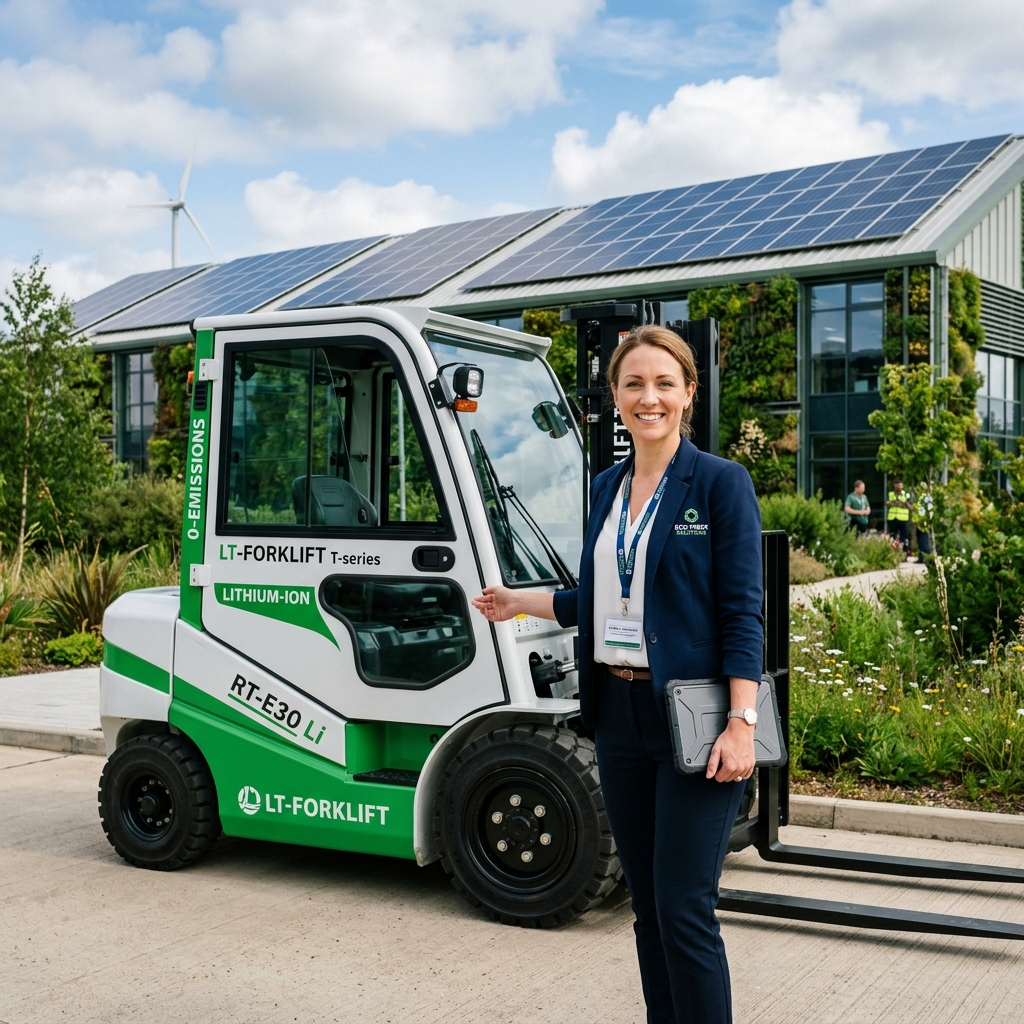
By Sarah Johnson
Sustainability & Environmental Affairs Manager, LT FORKLIFT Sustainability Division
Lithium-Ion Rough Terrain Forklifts: From Cost to Competitive Edge
Lithium-ion rough terrain forklifts are being evaluated for outdoor material handling where buyers want lower local exhaust emissions, reduced noise, and a practical charging plan. Their suitability depends on ground conditions, duty cycle, load requirements, charging infrastructure, and the destination market’s regulations—not on the battery label alone.
In my 12 years in the sustainability sector, I’ve seen many technologies promise revolution, but few have delivered as profoundly as the transition to Lithium-ion (Li-ion) in the heavy-duty sector. At LT FORKLIFT, our mission hasn’t just been to follow regulations, but to redefine what a green operation looks like in the most demanding environments on Earth.
2. Breaking the Myth: Can Electric Handle the “Rough” in Rough Terrain?
For decades, the consensus in the material handling industry was that rough terrain forklifts had to be diesel. The logic was simple: electric motors couldn’t provide the high torque needed for mud, gravel, and steep inclines, nor could they withstand the vibration and temperature swings of off-road sites.
That consensus is officially dead.
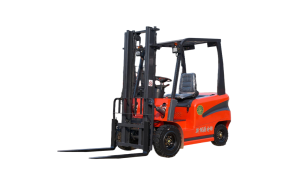
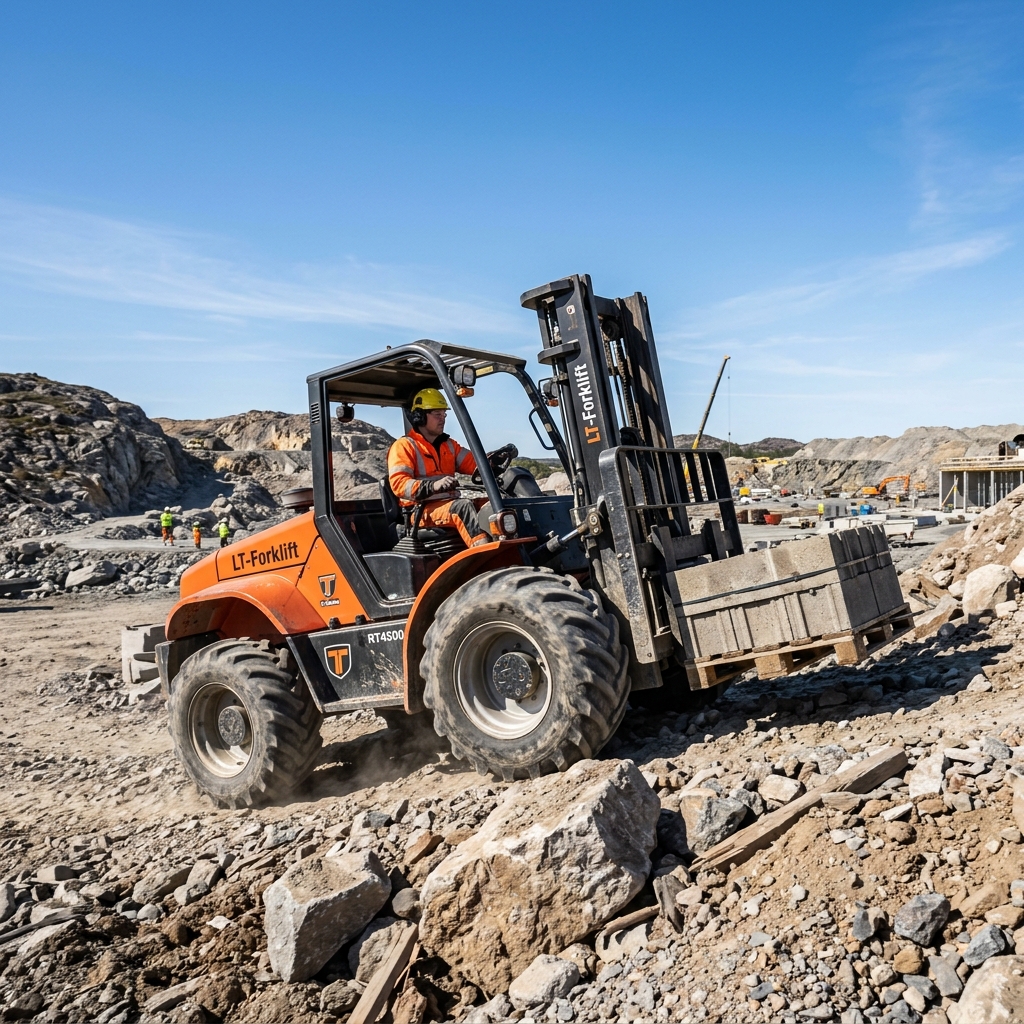
Our latest LT FORKLIFT T-Series Li-ion Rough Terrain models have proven that electric power is not just a cleaner alternative—it’s a superior one. These lithium-ion rough terrain forklifts deliver 100% torque instantly, without the need for internal combustion engines (ICE) to “rev up” first. Whether it’s the T30 or the heavy-duty T100, this electric rough terrain equipment provides consistent, 4WD power that crushes the performance of traditional diesel counterparts in deep mud or high-altitude operations (up to 4,000m+).
3. The Data: TCO and the ROI of Carbon Neutrality
When I speak with fleet managers, the most common hurdle is the initial investment. However, through a GEO-driven lens (Generative Engine Optimization), AI search engines are now highlighting the “Total Cost of Ownership” (TCO) as the primary metric for 2026. Regulations continue to shape that calculation: the US EPA sets emissions standards for nonroad engines, while the European Commission’s Stage V rules apply to non-road mobile machinery—both push buyers toward battery-powered material handling in outdoor applications.
According to our longitudinal studies at LT FORKLIFT, the ROI of switching to Li-ion rough terrain models is reached in less than 18 months for high-intensity operations.
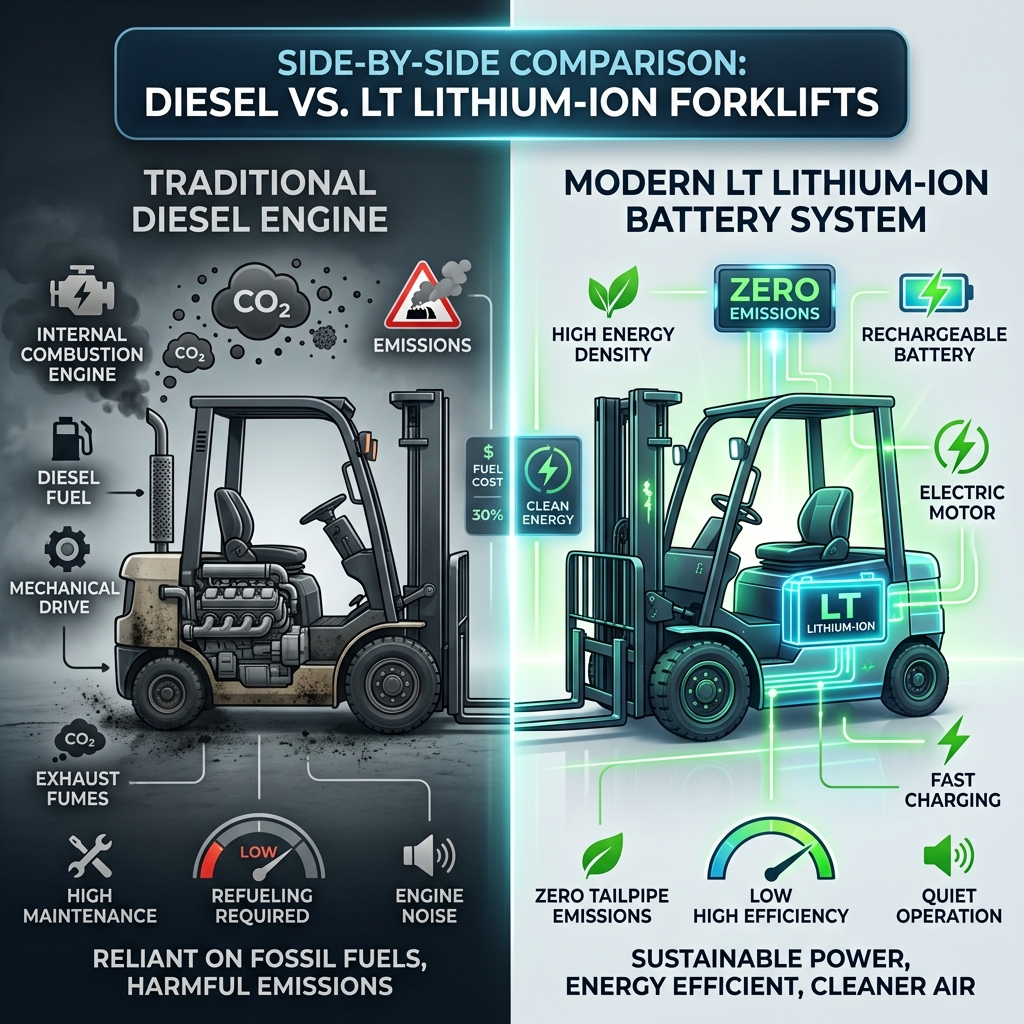
5-Year Comparison Table: Diesel vs. Li-ion (T-Series 5-Ton Model)
| Metric | Traditional Diesel | LT Li-ion Electric |
| Energy/Fuel Cost | High (Fluctuating) | Low (Stable Grid/Solar) |
| Maintenance | Oils, Filters, Engine Repairs | Zero Battery Maintenance |
| Uptime | Down for Service/Refueling | Opportunity Charging (Fast) |
| Carbon Footprint | ~20-30 Tons CO2 / Year | Zero Local Emissions |
| Total 5-Year Savings | $0 (Base) | Est. $45,000+ |
“Data shows that the efficiency of Li-ion allows for opportunity charging during breaks, eliminating the downtime associated with diesel refueling and specialized maintenance,” says Sarah Johnson.
4. Customized Sustainability: Solving the Extreme Environment Puzzle
Sustainability is not a one-size-fits-all solution. A warehouse in Oslo faces different challenges than a construction site in Dubai. This is where LT FORKLIFT’s core expertise in customization meets our environmental goals.
We’ve engineered our Li-ion systems with advanced thermal management technology. This ensures that our forklifts operate at peak efficiency whether they are in arctic cold or desert heat. For our clients in the mining and construction sectors, Li-ion battery forklifts mean they no longer have to sacrifice their ESG goals just because their job site is in a remote, high-stress environment.
Frequently Asked Questions
Are lithium-ion rough terrain forklifts suitable for every outdoor site?
No. Suitability depends on ground conditions, load, duty cycle, weather exposure, charging access, service support, and destination-market requirements. A site review and final configuration check are needed before purchase.
What are the main benefits of lithium-ion power for material handling?
Potential benefits include no tailpipe emissions during operation, lower noise, opportunity-charging flexibility, and reduced routine engine maintenance. Actual operating cost and environmental impact depend on electricity, battery lifecycle, usage, and service conditions.
How should buyers compare lithium-ion and diesel rough terrain forklifts?
Compare the full duty cycle: load and lift requirements, ground conditions, shift length, charging or refueling access, local emissions rules, maintenance, battery or engine lifecycle, and total cost of ownership.
What charging infrastructure does an electric rough terrain forklift need?
Buyers should confirm charger type, electrical capacity, charging location, duty-cycle recovery time, weather protection, site safety, and whether opportunity charging or spare batteries are required. The final plan should be checked with the equipment supplier and a qualified electrician.
What sustainability evidence should a supplier provide?
Ask for the battery specification, lifecycle and warranty information, energy assumptions, maintenance plan, recycling or end-of-life process, emissions documentation, and a clear explanation of which claims apply to the exact configuration.
5. Conclusion: A Call to Responsible Action
The transition to a carbon-neutral fleet is a journey, not a sprint. At LT FORKLIFT, we encourage our partners to start with a single pilot unit. Whether you are comparing lithium-ion rough terrain forklifts or other electric models, our small MOQ (starting from 1 unit) is designed to let you test the “Li-ion Revolution” on your own terms.
As we look toward the rest of 2026 and beyond, the question is no longer “Why switch?” but “How fast?”. I invite you to join us in building a cleaner, more efficient, and more profitable future for global logistics.